Driving or taking a road trip is a great way to see a new city or country. Whether you plan on bringing your own car or renting one, having access to your own transportation when abroad gives you so much more freedom and flexibility.
However, driving in a foreign country can also be a daunting even for experienced drivers, especially if you’re unfamiliar with the local road of the rules and driving customs. But don’t worry! A little bit of preparation and research and you’ll be on you the road in no time.
We’ve put together a helpful guide for tourists planning on driving abroad, including tips for preparation, local laws, road signs and driving customs. Here’s what you need to remember if you’re planning on driving abroad in 2026.
Insurance When Driving Abroad

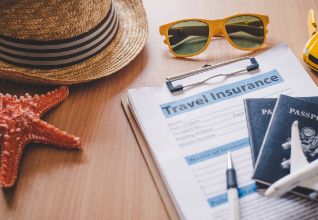
Probably the most important thing to do before you leave is to contact your insurer and confirm your cover. Most standard car insurance polices in Ireland, including KennCo, covers driving in the EU for a set amount of time, usually up to 31 days. However, it’s always best to contact your insurer well in advance of travelling to confirm the details of your specific policy and make sure you’re covered.
Make sure you policy is up to date and bring all necessary documentation with you while travelling, including your full Irish driving licence, your vehicle registration (Logbook), and a copy of your insurance cert.
Car Rentals
If you’re renting a car, there are a few things to look for before you even turn the key. Carefully check for any marks or damage to the car’s interior and exterior before you drive away. It’s also no harm to take some photos or a quick video of the car’s condition at pick-up to protect yourself against any disputes when you bring it back.
Most car rental companies require you to have a full tank of fuel when you return the car to them. If you return the car without a full tank, you may be charged a penalty fee. It’s worth noting that many rental car companies now offer electric vehicles (EVs) as part of their fleets and may operate a similar policy for battery charge. For example, if you hire an EV with 80% charge on pickup, you may be required to return it at 80% charge or face penalties.
Local Driving Laws and Road Signs
Rules of the Road are not universal, and not being aware of local laws isn’t a valid excuse if you’re stopped by authorities when driving in a foreign country. Each country has its unique driving laws and road signs. Here are some tips to help you navigate local driving laws and road signs:
- Speed Limits: Speed limits can vary significantly between countries. In some countries, there may be different speed limits for different types of roads. Familiarise yourself with the local speed limits and adjust your driving accordingly.
- Roundabouts: Roundabouts are common in many countries and can confuse foreign drivers. Remember to give way to traffic already in the roundabout and indicate your intended exit before entering.
- Priority: Priority rules can vary between countries. In some countries, drivers on the right have the right of way, while in others, drivers on the left have the right of way. Familiarise yourself with the local priority rules to avoid confusion and potential accidents.
- Road Signs: Road signs can vary between countries, and some signs may be unfamiliar to foreign drivers. Study local road signs before hitting the road, and pay attention to warning signs, speed limit signs, and directional signs.
And while there are no EU-wide laws for road traffic and safety, there are some rules that apply to across all EU countries, such as:
- Seatbelts must be worn in all vehicles (including tourists coaches and minibuses).
- Children travelling in cars, vans, lorries (and all other vehicles where possible) must use the appropriate child restraints.
- It is forbidden to use a mobile phone without a hands-free set while driving.
Emergency
When travelling within Europe, the international emergency phone number is 112, which can be called from a mobile phones or landlines. In the US and Canada, this number will be 911; while England and countries within the UK use 99. When you’re travelling outside of Europe, check beforehand if the emergency phone number of your country you’re visiting is different before your trip.
Drink Driving
The only advice here is to never drink and drive. When you drink and drive you endanger yourself and all other road users. The penalties for drink driving in Ireland and abroad are severe and can include disqualification, heavy fines and imprisonment.
Driving on the Right
Most countries in Europe and around the globe require you to drive on the right. Try to stick to motorways for the first few days of your holiday you will be less likely to mistakenly drive on the wrong side of the road due to the layout. Aside from Ireland, the only other European countries that drive on the left are the United Kingdom, Isle of Man, Guernsey, Jersy, Malta and Cyprus.
Warning Triangles
Most European countries require you by law to carry warning triangles in your car in case of emergency. If you are stationary on the road, you must place a warning triangle to warn other drivers. In addition to these, you should also carry hi-vis vests (one per each occupant in the car, a first aid kit, fire extinguisher and emergency kit.
KennCo Insurance provides great Car Insurance and Travel Insurance. Why not call us on 01 409 2600 to get a quote today.
Low-Cost Travel Insurance You Can Rely On
KennCo offers some of the best and most competitive travel insurance options for individuals, couples and families in Ireland. Choose between multi-trip or single trip cover and pick coverage that suits your needs. Get a quick quote online.
Get a Secure Quote Today